
Warehouse Robotics Regulations: A Complete Compliance Guide
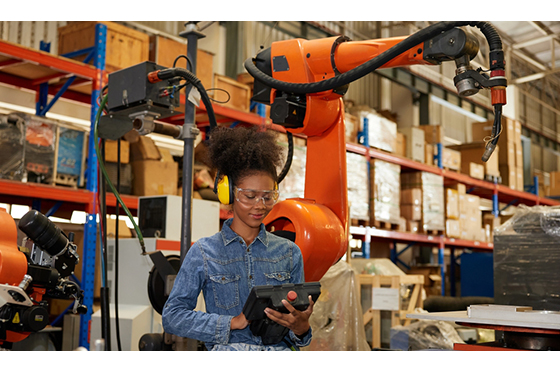
The rapid deployment of autonomous mobile robots (AMRs) and industrial robotic arms has introduced unprecedented operational throughput, along with entirely new categories of workplace liability. As these systems become more complex and integrated into human workflows, navigating warehouse robotics regulations is a structural requirement for facility continuity.
However, this shift also introduces new safety risks and compliance challenges. Understanding warehouse robotics regulations is no longer optional; it’s a critical component of operational success. Companies that proactively address regulatory requirements can reduce workplace incidents, avoid penalties, and build a safer, more resilient automation strategy.
The Rise of Automation and the Need for Warehouse Robotics Regulations
The global demand for faster fulfillment and e-commerce growth has fueled the adoption of warehouse robotics. According to the International Federation of Robotics, industrial robot installations have continued to reach record highs, reflecting a strong trend toward automation.
As robotics systems become more complex, regulatory oversight becomes increasingly important. Without proper compliance, businesses risk:
- Worker injuries due to unsafe human-robot interactions
- Operational downtime from safety violations
- Legal and financial penalties
Warehouse robotics regulations ensure that automation technologies are deployed safely while maintaining productivity. They provide a framework for identifying hazards, implementing safeguards, and standardizing best practices across facilities.
How OSHA Regulates Warehouse Robotics: Current Standards and Rules
The General Duty Clause
The Occupational Safety and Health Administration (OSHA) enforces workplace safety through the General Duty Clause, which requires employers to provide a hazard-free work environment.
While OSHA lacks a standalone regulatory standard explicitly for robotics, inspectors apply the General Duty Clause to cite facilities for failing to mitigate recognized automation hazards.
Machinery and Machine Guarding (29 CFR 1910 Subpart O)
This regulation focuses on safeguarding employees from moving parts, including robotic arms and conveyors. Proper barriers, light curtains, and safety interlocks are essential to prevent injuries.
Lockout/Tagout for Hazardous Energy (29 CFR 1910 Subpart J)
Strict Lockout/Tagout (LOTO) protocols are mandatory to isolate hazardous energy during maintenance. In robotic cells, neutralizing kinetic, electrical, and pneumatic energy prevents uncontrolled system startups that can lead to severe accidents.
Electrical Safety Standards (29 CFR 1910 Subpart S)
Robotic systems rely heavily on electrical components. Compliance with electrical safety standards helps prevent shocks, fires, and system failures.
For more details, refer to OSHA’s latest robotics and machine guarding guidelines.
Crucial National and International Consensus Standards
ISO 10218 and ANSI/RIA R15.06
Standards developed by the International Organization for Standardization, such as ISO 10218, define safety requirements for industrial robots.
In the U.S., ANSI/RIA R15.06 aligns closely with ISO standards and provides detailed guidance on robot design, integration, and risk assessment.
ISO 13849-1 and IEC 61508 (SIL)
These standards address functional safety and system reliability.
- ISO 13849-1 focuses on safety-related parts of control systems
- IEC 61508 introduces Safety Integrity Levels (SIL) to quantify risk reduction
Meeting these rigorous benchmarks requires deterministic industrial robotic controllers capable of processing safety logic, sensor data, and emergency stop (E-stop) commands with near-zero latency.
For complete technical specifications, consult the official functional safety frameworks published by the ISO and IEC.
Identifying Common Safety Hazards in Automated Warehouses
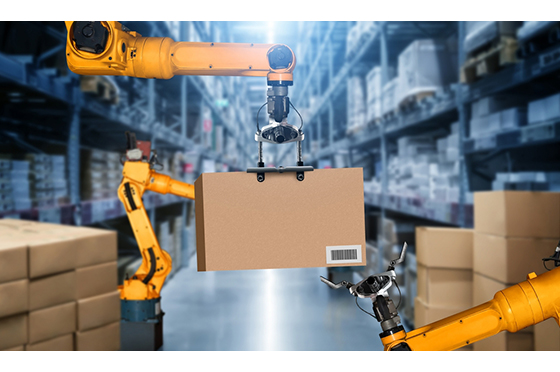
Non-Routine Operations: The Highest Risk Area
While robots are designed for predictable tasks, risks often arise during maintenance, troubleshooting, or system overrides. These non-routine operations expose workers to unexpected hazards.
Collisions and Crush Hazards
Human-robot interaction zones are among the most critical risk areas. Without proper safeguards, collisions between workers and robots can result in serious injuries.
Common causes include:
- Inadequate sensor systems
- Poorly defined robot pathways
- Lack of real-time monitoring
Identifying these hazards is the first step toward building a compliant and safe warehouse environment.
Best Practices for Robotics Safety and OSHA Compliance
Implementing Effective Safeguarding Devices
Use physical and technological safeguards such as:
- Safety fences and barriers
- Light curtains and presence sensors
- Emergency stop systems
These measures create clear boundaries between humans and machines.
Human-Robot Interaction and Traffic Control
Establish structured workflows to manage shared spaces:
- Designated robot-only zones
- Clearly marked pedestrian pathways
- Speed and proximity controls for AMRs
This minimizes the risk of accidents while maintaining operational efficiency.
Comprehensive Employee Training
Training is one of the most overlooked aspects of compliance. Employees should understand:
- How robotic systems operate
- Emergency response procedures
- Safe maintenance practices
A well-trained workforce is essential for meeting warehouse robotics regulations and maintaining a safe workplace.
Transforming Safety into a Competitive Advantage
Proactive compliance directly impacts the bottom line. By architecting workflows around established warehouse robotics regulations, businesses can:
- Reduce downtime caused by safety incidents
- Enhance employee trust and retention
- Strengthen brand reputation with clients and partners
More importantly, a strong safety culture enables smoother scaling of automation initiatives.
Compliance as the Foundation for Scalable Warehouse Robotics Automation
Meeting stringent ISO and OSHA safety standards requires more than facility policy updates. It demands deterministic, low-latency control hardware capable of executing functional safety logic flawlessly. NEXCOM bridges the gap between warehouse robotics regulations and physical execution. Leveraging deep expertise in industrial edge computing and functional safety controllers, we provide the architectural foundation for a reliable, fully compliant robotics infrastructure.
Connect with the NEXCOM team to explore solutions tailored to your warehouse environment.
- Related Links:
- What Is ROS 2? Architecture, ROS 1 vs. ROS 2, and Migration Guide
- What Is Manufacturing Process Automation? Types, Benefits, Use Cases, and 7 Implementation Steps
- Browse Other News:
- Smarter Warehouse & Logistics Inspection Starts at the Edge with NDiS B340
- NEXCOM Introduces RoboWIZ AI Robotics Platform at GTC Berlin
- All Blog News
